What Is Product Ops and Why Every Scaling Product Team Needs It
Product operations (product ops) is the function that keeps a product organization running smoothly as it scales. If product management is about deciding what to build and why, product ops is about making sure those decisions get made consistently, communicated clearly, and connected to the teams doing the actual work.
A product ops lead owns the systems, processes, and tools that a product team relies on. That means everything from how feature requests are collected and prioritized, to how roadmaps are shared with engineering and leadership, to whether the team is actually shipping what it planned to ship. Without that function, teams tend to improvise their own processes, and alignment falls apart the moment the organization grows past a handful of PMs.
Product ops is not a new layer of management. It is the connective tissue between strategy and delivery, freeing PMs to focus on discovery and decisions rather than on maintaining spreadsheets or chasing status updates.
What a Product Ops Lead Does Day to Day
The day-to-day work of a product ops lead covers four main areas:
- Process standardization. Defining how the team collects feedback, writes specs, scores ideas, and moves items from backlog to roadmap. When every PM follows the same process, it is much easier to compare priorities across teams and make portfolio-level decisions.
- Tool and data ownership. Managing the product management platform, keeping it set up in a way that reflects how the team actually works, and making sure integrations with tools like Jira are live and accurate. When the data in the platform is clean, roadmaps are trustworthy.
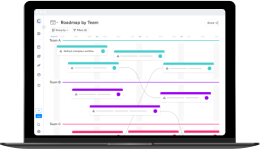
- Roadmap communication. Packaging the roadmap in different formats for different audiences. Engineering needs feature-level detail. Leadership needs a strategy-level view. Customers and stakeholders need a version that is clear without exposing internal timelines.
- Delivery tracking. Monitoring whether what was planned is actually getting built on time. When there is a gap between the plan and reality, the product ops lead surfaces it early so the team can adjust rather than scramble.
The role varies by company size. At a startup, one PM might take on product ops work alongside their other responsibilities. At a scaling company, a dedicated product ops lead or a small product ops team handles these responsibilities full time.
Why Scaling Teams Need a Dedicated Product Ops Function
Scaling is where improvised processes break down. A team of three PMs can align informally. A team of fifteen cannot. When teams grow, the cost of misalignment grows with them: duplicate work, conflicting priorities, roadmaps that do not match what engineering is building, and leadership that does not trust the data it is looking at.
A product ops function solves this by creating one shared process. Everyone uses the same prioritization framework, the same roadmap format, and the same delivery tracking. The Head of Product or VP Product gets a single view of what is happening across the portfolio, not a patchwork of individual spreadsheets and slide decks.
That is the business case worth making to whoever approves the budget. Product ops reduces the coordination overhead that multiplies as the team grows, and it creates the operational foundation that lets the team ship faster without losing alignment.
How Product Ops Software Makes the Difference
The right product management platform is what makes product ops scalable. Without dedicated software, product ops work falls back on spreadsheets, shared documents, and manual status updates. Those tools do not connect to each other, which means the product ops lead spends time reconciling data instead of improving processes.
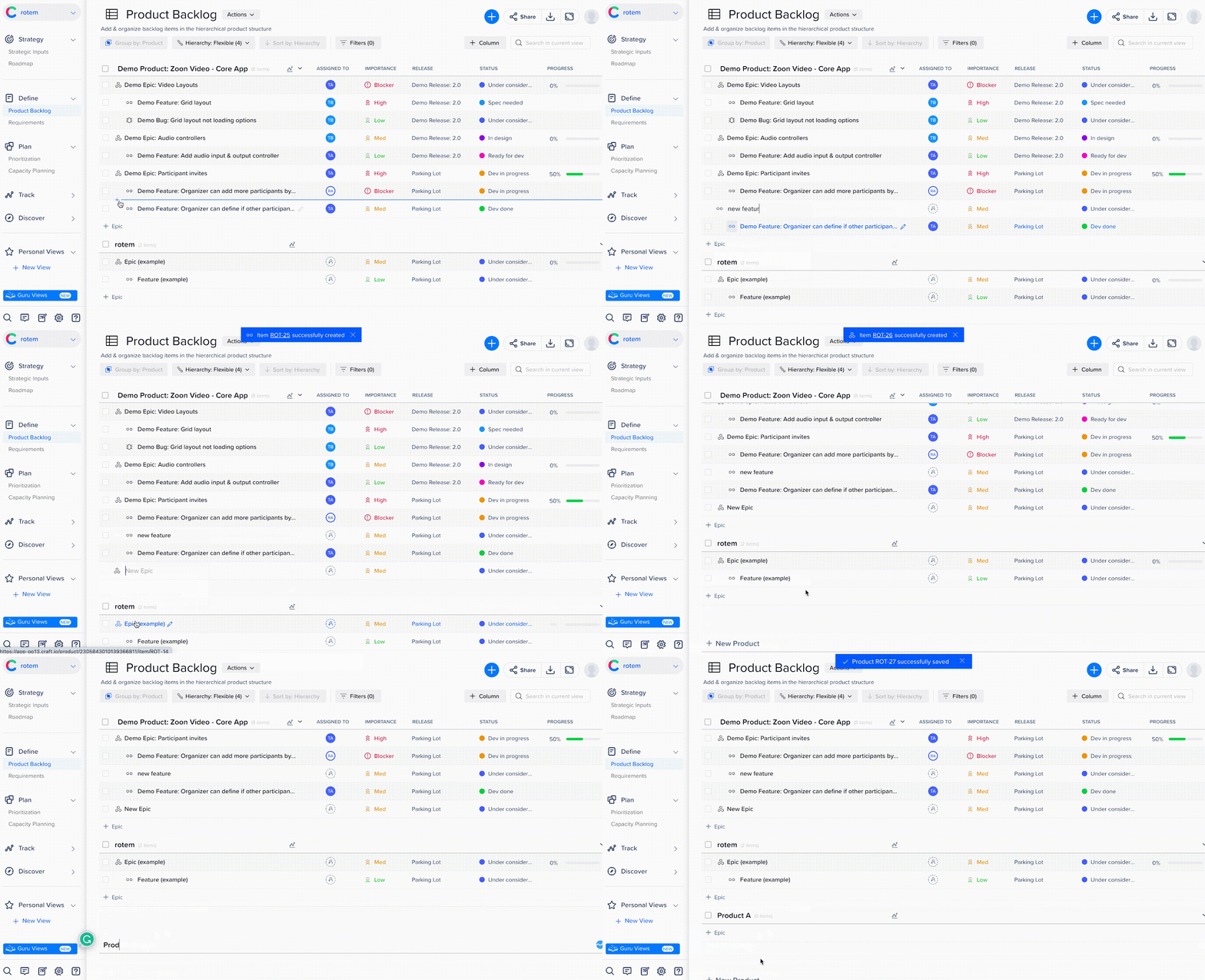
craft.io is built to support exactly this kind of work. Teams use it to collect and prioritize feedback and feature requests, write and share specs, build roadmaps that connect strategy to delivery, and track actual progress against what was planned through the Actual vs Planned feature. The platform integrates with Jira so that what engineering is working on stays visible inside the product roadmap without manual updates.
For product ops leads, having all of this in one place means the process can actually be standardized. Prioritization scores, roadmap views, capacity plans, and delivery data all live in the same system. When leadership asks for a status update, the answer comes from a single source rather than from five different places.
If your team is at the point where coordination is taking more time than discovery, a dedicated platform is the right next step. You can explore how craft.io supports product ops teams at craft.io/solutions/product-ops, or talk to the team about what your setup needs.