Product Feedback Management: How to Turn Customer Input into Roadmap Decisions
Why collecting feedback is not the same as using it
Most product teams have no shortage of feedback. It arrives through support tickets, sales calls, customer success notes, community threads and the occasional email to a founder. The trouble starts after it arrives. Without a shared process, each source ends up in a different spreadsheet or inbox, and the loudest voice wins the next sprint.
Product feedback management is the discipline of turning that scattered input into decisions you can explain. This guide walks through a workflow a product manager or product ops lead can set up once and repeat, and shows where craft.io fits into it.
Build a feedback workflow in four steps
- Centralize intake. Pick one place where every request lands, whatever the channel. If sales keeps notes in a CRM and support keeps them in a help desk, someone still has to route those into the same list, or you will prioritize from a partial picture.
- Tag and segment. Record who asked (customer segment, plan, account) and what they are really trying to do. A request for an export button is often a reporting problem in disguise, and tagging the underlying need lets you group requests that look different but share a cause.
- Merge duplicates. Ten customers asking for the same thing in ten different words is one signal, not ten separate items. Merging keeps the count honest and shows you real demand.
- Close the loop. Tell people what happened to their input, even when the answer is not now. Customers who hear back keep sending useful feedback. Customers who hear nothing stop.
Our own tips on managing customer feedback and handling feature requests go deeper on each step.
Connect customer input to feature prioritization
Feedback is evidence, not a vote count. A request from one strategic account can matter more than twenty from users outside your target segment, and a quiet pain point that shows up in interviews may never appear in your request list at all.
A useful prioritization pass weighs three things side by side: how many customers raise the need, how well it fits your product strategy, and what it costs to build. Scoring each idea against the same criteria keeps the conversation about evidence rather than opinion, which also makes it easier to defend a decision to stakeholders who wanted something else. If you are deciding how to size an idea before it reaches that stage, see how to estimate the value of new product ideas.
The point where most teams lose the thread is the handoff. A scored idea that never links back to the feedback that produced it forces you to reconstruct the reasoning every time someone asks why it was built.
How craft.io makes the process repeatable
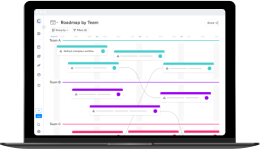
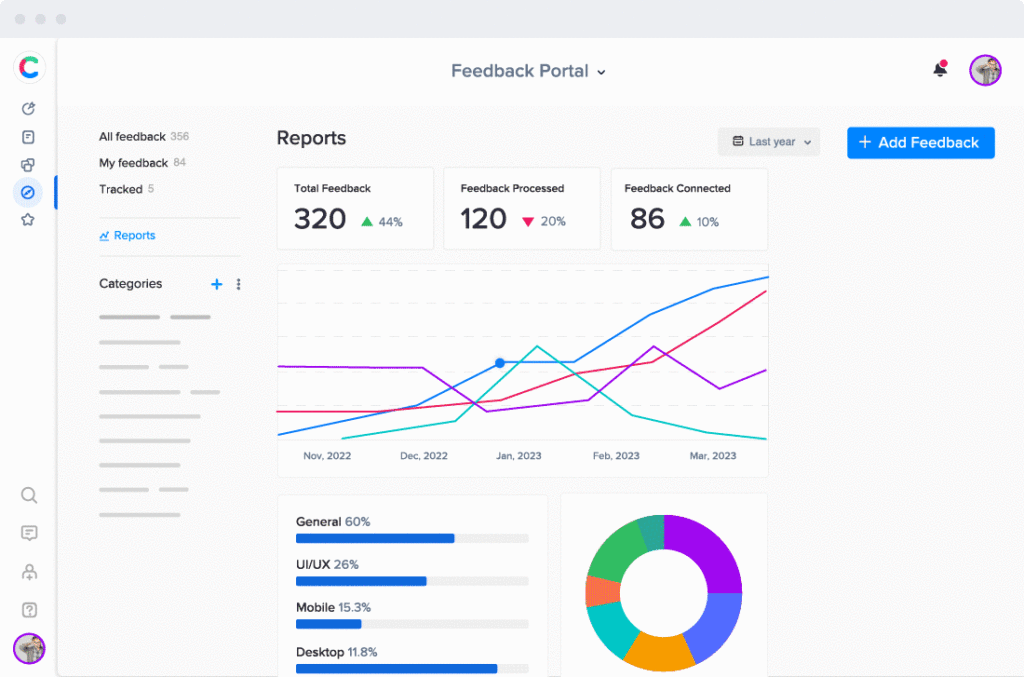
craft.io keeps feedback, prioritization and the roadmap in one platform, so a request does not have to be copied between tools to move forward. The feedback management capability collects input in one place, and the prioritization tools let you score ideas against the criteria you choose. Items that make the cut carry their context onto the roadmap, which connects strategy to features, so the link between a customer need and a planned feature stays visible.
For product ops teams, the practical benefit is consistency. One intake path, one scoring method and one roadmap view mean the process works the same way whoever is running it that quarter. You can see how this fits the work of a product operations team, or review the full platform.
Habits that keep the system honest
- Review new feedback on a fixed schedule instead of reacting to each message.
- Keep a visible record of why ideas were declined, so the same request does not return every month.
- Share roadmap changes with the teams who bring you feedback, so sales and support know their input is used.
- Revisit old requests when strategy shifts. A request that did not fit last year may fit now.
None of this requires a large team. It requires one agreed process and a tool that does not make you rebuild it by hand each cycle. If you want to see how that looks in practice, you can explore pricing or look at the customer feedback software roundup to compare approaches.
Frequently asked questions
What is product feedback management?
It is the process of collecting customer input from every channel, organizing it in one place, and using it as evidence when deciding what to build. The goal is to make roadmap decisions you can explain, rather than reacting to whoever asks loudest.
How do you prioritize features based on customer feedback?
Score each idea against the same criteria, such as how many customers need it, how well it fits your strategy, and what it costs to build. Treat feedback as evidence rather than a vote count, since one strategic account can outweigh many requests from outside your target segment.
Why should duplicate feedback requests be merged?
Several customers describing the same need in different words is one signal, not many separate items. Merging them keeps your demand count accurate and makes the underlying problem easier to see.
Who should own the feedback process?
Product managers and product ops leads usually own it, since they connect incoming input to prioritization and the roadmap. The key is a single agreed process that works the same way no matter who runs it.
How does craft.io support product feedback management?
craft.io collects feedback in one place, lets you score ideas with its prioritization tools, and carries approved items onto the roadmap. That keeps the link between a customer need and a planned feature visible.
Why is it important to close the loop with customers?
Customers who hear what happened to their input tend to keep sharing useful feedback, while those who hear nothing stop. Even a not-now answer shows that the input was considered.